Best Personal Loans for Fair Credit: Which Lender Type Fits Your Situation?
By Laurel C. Yazzie | Last reviewed: November 2026
Fair credit does not disqualify you from a personal loan. Borrowers with FICO scores between 580 and 669 have access to personal loans from online lenders, credit unions, community banks, and secured lending programs. The challenge is not whether a lender exists for your credit range. The challenge is finding the right type of lender for your specific purpose, loan amount, and financial profile.
In reviewing hundreds of loan applications over a decade in consumer lending, the detail most borrowers miss is that the type of lender matters as much as the interest rate being advertised. A lower headline rate from an online lender can still cost more overall than a slightly higher rate from a credit union, once origination fees are added in. This guide walks through each lender category, what to compare before you apply, and the steps most likely to improve your approval odds when searching for the best personal loans for fair credit.
What Fair Credit Means for a Personal Loan Application
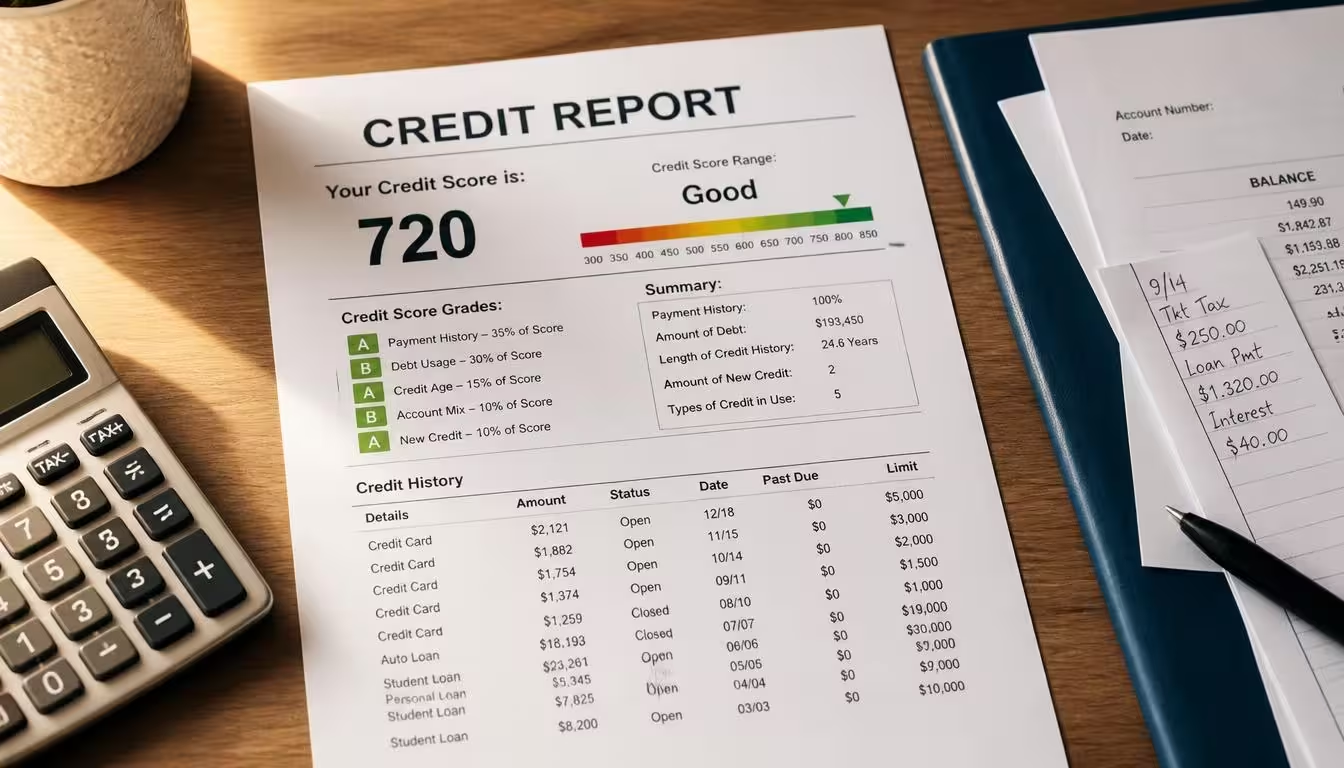
Credit scoring models classify scores into ranges. According to the Consumer Financial Protection Bureau, credit scores are used by lenders to evaluate the risk of lending to a borrower. Fair credit on the FICO scale runs from 580 to 669. Scores in this range fall below the national average, which means lenders may apply more scrutiny during underwriting, and the rates offered to fair-credit borrowers are generally higher than those available to borrowers with good or excellent scores.
What fair credit typically affects in a personal loan application:
- Loan approval: Some lenders require a minimum score above the fair range; others specialize in fair-credit applicants and may weigh other factors like income and employment history more heavily.
- Interest rate: Borrowers in the fair credit range are typically offered higher APRs than those with good or excellent credit, reflecting the greater risk the lender perceives.
- Loan amount: Lenders may cap the maximum amount they will lend to a fair-credit borrower.
- Repayment term options: Shorter repayment terms may be the only option available at some lenders for applicants in the fair credit range.
- Origination fees: Some lenders charge origination fees more frequently for higher-risk applicants, adding to the total cost of the loan.
Lenders set their own minimum credit score requirements, and they rarely publish those thresholds publicly. Checking your rate with multiple lenders through a soft credit pull does not affect your credit score, so you can gather several offers before committing to any one application.
Types of Lenders That Offer Personal Loans for Fair Credit
Not all lenders approach fair-credit borrowers the same way. Understanding the differences between lender categories helps you target the ones most likely to approve your application and offer competitive terms. The table below summarizes each category. Specific rates and terms vary by institution. For current consumer credit rate data, refer to the Federal Reserve’s G.19 Consumer Credit Statistical Release.
| Lender Category | Who They Typically Serve | Potential Advantages for Fair Credit | Key Consideration |
|---|---|---|---|
| Online Lenders | Broad credit range, including fair credit; accessible nationwide | Fast decisions; soft-pull prequalification widely available; no branch visit required | May charge origination fees that add to total cost; compare several offers before deciding |
| Credit Unions | Members; often flexible with fair and even poor credit scores | Member-first underwriting may weigh your full financial picture; potentially more competitive rates | Requires membership to apply; some credit unions have employer or geographic eligibility requirements |
| Community Banks | Existing customers and local residents with an established banking relationship | Relationship-based decisions; your banking history with the institution may carry weight | Typically stricter credit requirements than online lenders; in-person application often required |
| Secured Loan Lenders | Borrowers with collateral such as a savings account or a paid-off vehicle | Collateral reduces lender risk, which can lower your rate even at a fair credit level | Your asset is at risk if you default; not all lenders offer secured personal loan options |
The Borrower Type Test: Which Lender Category Fits You?
Before searching for specific lenders, run through these three questions. Your answers will point to the lender category most likely to work for your situation and help you avoid wasting hard inquiries on applications unlikely to succeed.
The Borrower Type Test
Question 1: Are you a credit union member, or can you easily become one?
If yes: Start with your credit union. Fair-credit borrowers who are members often receive more favorable consideration than the same borrower applying cold to an online lender.
Question 2: Do you have collateral, such as a savings account balance or a paid-off vehicle?
If yes: Ask about secured personal loan options first. Collateral reduces the lender’s risk and can unlock lower rates that your credit score alone would not qualify for.
Question 3: Do you need funds relatively quickly and have no credit union membership or available collateral?
If yes: Online lenders with soft-pull prequalification are your starting point. Apply to three to five lenders to gather actual offers before making a decision.
Use this test before you search for specific lenders. Knowing your category first helps you focus your effort where it is most likely to pay off.
What If Your Score Is Right at the Border?
If your score sits close to 580 or close to 670, your options shift considerably. A score of 578 may face outright rejections at lenders who require a minimum in the fair range. A score of 672 opens access to lenders who serve good-credit borrowers at noticeably better rates. If you are within a few points of the 670 threshold, it may be worth pausing and spending one to two months on targeted credit improvement before applying. Paying down an existing revolving balance, for example, can move a FICO score more quickly than most other actions. Run the numbers on what you currently qualify for versus what you might qualify for after one billing cycle of paydown.
What to Compare Beyond the Interest Rate
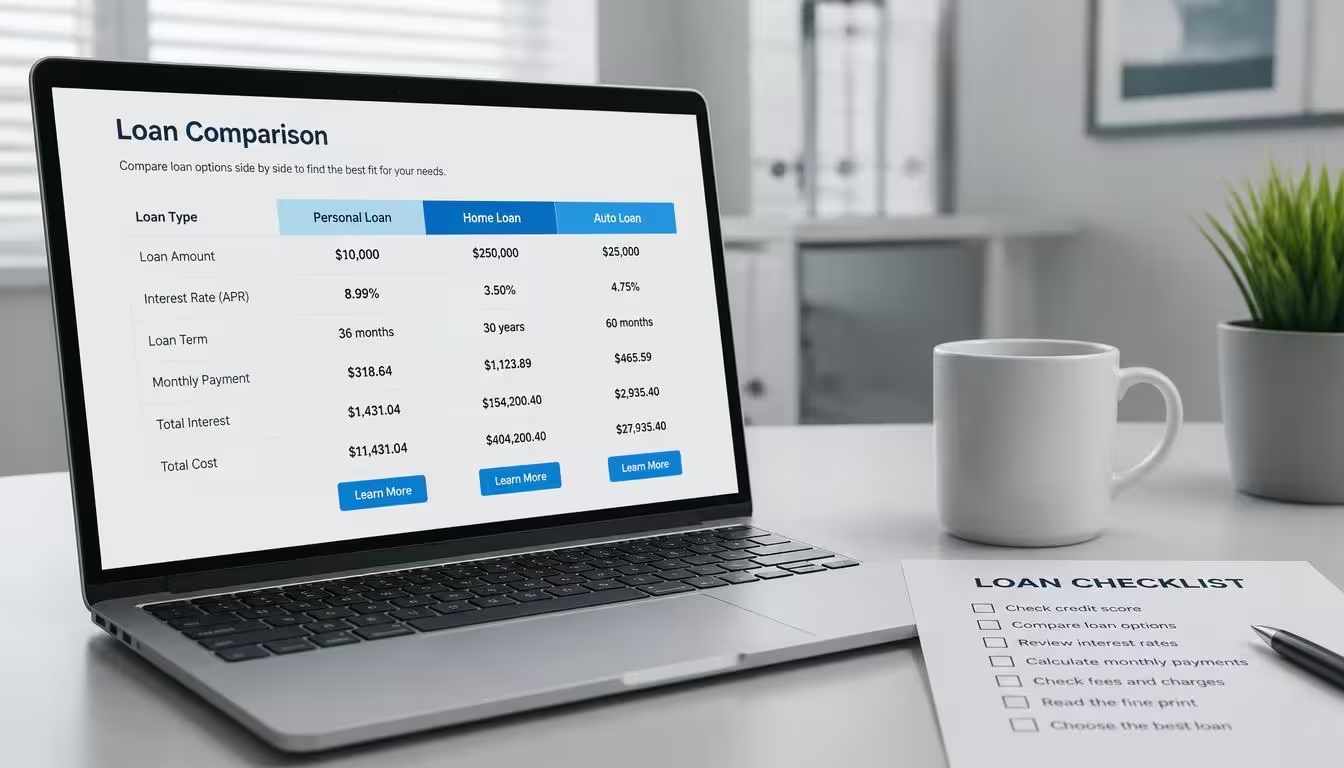
The interest rate matters, but it is not the only number that determines what a loan actually costs. What most people miss when comparing loan offers is that two loans with identical APRs can have very different total costs depending on fees and loan term. Run every offer through the loan cost calculator included below before making a final decision.
- Origination fee: Some lenders charge a fee, typically expressed as a percentage of the loan amount, which is deducted from your funds before you receive them. A loan with a lower APR but a substantial origination fee can easily cost more in total than a loan with no fee.
- Prepayment penalty: Check whether the lender charges a fee if you pay off the loan early. Fair-credit borrowers who plan to refinance after improving their score should choose lenders with no prepayment penalty.
- Total interest paid: Longer repayment terms produce lower monthly payments but increase the total interest you pay over the life of the loan. Use the calculator below to compare total cost across different term lengths with each offer you receive.
- Fixed vs. variable rate: Most personal loans carry a fixed rate, meaning your payment stays the same throughout the term. Variable-rate loans carry the risk of rising payments if benchmark interest rates increase.
- Payment reporting: Confirm that the lender reports payments to all three major credit bureaus. On-time payments on a personal loan can help build your credit over time, but only if the lender reports them.
How to Find the Best Personal Loans for Fair Credit
The most effective strategy for fair-credit borrowers is to gather multiple prequalification offers before submitting a single formal application. Prequalification uses a soft credit pull that does not affect your credit score. According to the Consumer Financial Protection Bureau, shopping around and comparing loan offers is one of the most reliable ways to find terms that fit your situation and budget.
- Check your credit report before anything else. Errors on your credit report can suppress your score and affect your offers. You are entitled to a free report from each of the three major credit bureaus annually at AnnualCreditReport.com. Dispute any inaccuracies before you apply so your applications reflect your actual credit history.
- Use soft-pull prequalification across multiple lenders. Submit prequalification requests to several lenders, including at least one credit union and two or more online lenders. Most offer this without affecting your credit score. Collecting three to five real offers gives you an accurate picture of what you qualify for right now.
- Compare total cost, not just APR. Run each prequalified offer through the loan cost calculator below. Enter the loan amount, the APR quoted, and the term in months to see your estimated monthly payment and total interest paid. An offer with a lower rate but a high origination fee may cost more over the loan’s life.
- Know which factors lenders are evaluating. Understanding the factors that affect your loan rate helps you present the strongest possible application and anticipate where your profile may face scrutiny.
- Apply formally to your top choice only. Once you have compared real offers, submit one formal application to the lender with the best total terms for your situation. A formal application triggers a hard credit inquiry, so limit these to your final choice.
Steps to Improve Your Approval Odds
In practice, many borrowers with fair credit assume their only option is to accept the first offer they receive. That is rarely the case. Several steps can improve both your approval odds and the rate you are quoted, often without waiting months to see results.
- Reduce your debt-to-income ratio before applying. Lenders evaluate your monthly debt obligations relative to your gross monthly income. Paying down an existing credit card or installment balance before submitting applications reduces this ratio and signals lower risk.
- Add a co-signer with stronger credit. A co-signer who has good or excellent credit can help you qualify for a loan or secure a lower rate. Keep in mind that the co-signer is equally responsible for repaying the loan if you are unable to, so this arrangement requires a high degree of mutual trust.
- Consider a secured personal loan option. Securing your loan with collateral reduces the lender’s exposure to risk. This can be a practical path if your credit score alone is producing rates that make the loan impractical for your purpose.
- Target your credit utilization before applying. Reducing the balances on revolving credit accounts to below 30% of their limits can improve your FICO score within often within a billing cycle or two. If your score is close to 670, this improvement may move you into the good credit tier before your application is reviewed.
If you have been denied, the lender is required by law to provide an adverse action notice explaining the reason for the decision. Review that notice carefully. It will typically identify the specific factor that caused the denial, such as high credit utilization, insufficient income, or too many recent hard inquiries. That information is a roadmap for what to address before you apply again.
If your score is below the fair credit range, see our guide to options for lower credit scores for lenders that work with scores below 580. For a broader look at how personal loans work across all credit profiles, visit our personal loans overview.
Fair Credit Loan Cost Calculator
Enter the details of a loan offer to see your estimated monthly payment and total cost. Use this to compare offers side by side before you apply.
This calculator provides estimates only and does not include origination fees. Actual loan terms, fees, and payments vary by lender. Contact your lender for exact figures before accepting any offer.