Personal Loans with Low Interest Rates: What to Expect and How to Qualify
By Laurel C. Yazzie | Last reviewed: November 2026
Shopping for personal loans with low interest rates is one of the smartest financial moves a borrower can make. The problem is that most articles show you a list of lenders and their starting rates without telling you the part that actually matters: the rate you are offered will likely differ from the rate those ads display. Understanding why that gap exists, and how to close it, can save you a significant amount of money before you sign anything.
This guide covers what a genuinely low rate looks like in the current market, which types of lenders tend to offer them, and a clear framework for deciding whether to apply now or spend a few months strengthening your position first.
What Counts as a Low Interest Rate on a Personal Loan?
The term “low” is always relative, so it helps to have a concrete benchmark. According to the Federal Reserve’s G.19 consumer credit release, the average interest rate for a 24-month personal loan was 12.32% in the fourth quarter of 2024. If you receive an offer meaningfully below that figure, you are performing better than the national average.
Rates well below the average are available, but they are reserved for borrowers with strong credit profiles, stable incomes, and low debt-to-income ratios. Borrowers with fair credit or a limited credit history will typically receive offers closer to or above the average. The table below shows what to expect at different credit profiles, using the Federal Reserve benchmark as the reference point.
| Credit Profile | Rate Expectation vs. Average | Recommended First Step |
|---|---|---|
| Excellent credit, low debt load | Below the national average | Prequalify with several lenders and compare real offers |
| Good credit, moderate debt | Near or slightly above the average | Prequalify first; pay down balances before applying if possible |
| Fair or limited credit | Likely above the average | Consider a credit-building period of 3 to 6 months first |
The Consumer Financial Protection Bureau recommends always comparing the annual percentage rate (APR) rather than the stated interest rate when evaluating loan offers. The APR includes fees rolled into the cost of borrowing, making it the accurate number for side-by-side comparisons.
Why the Rate in Ads Is Not the Rate You Will Get
Understanding the Advertised vs. Actual Rate Gap
Lenders advertise their lowest possible rate to attract applicants. That rate is available only to borrowers with the most favorable financial profiles. When a lender runs your actual credit and income information through its underwriting model, the rate it offers may be substantially higher than the headline figure.
In reviewing hundreds of loan applications over a decade in consumer lending, the detail most borrowers miss is how costly this gap can be when they apply without checking first. A borrower expecting a rate near the market low who is approved at a higher rate on a multi-year loan can end up paying hundreds more in interest than they anticipated.
The solution is prequalification. Many lenders offer a soft-credit-check process that shows your likely rate and terms without any impact on your credit score. Use this tool with two or three lenders to compare real offers before you commit to a full application.
Which Types of Lenders Offer Personal Loans with Low Interest Rates?
The type of institution you borrow from can have a meaningful effect on the rate you receive. Here is how the main categories compare.
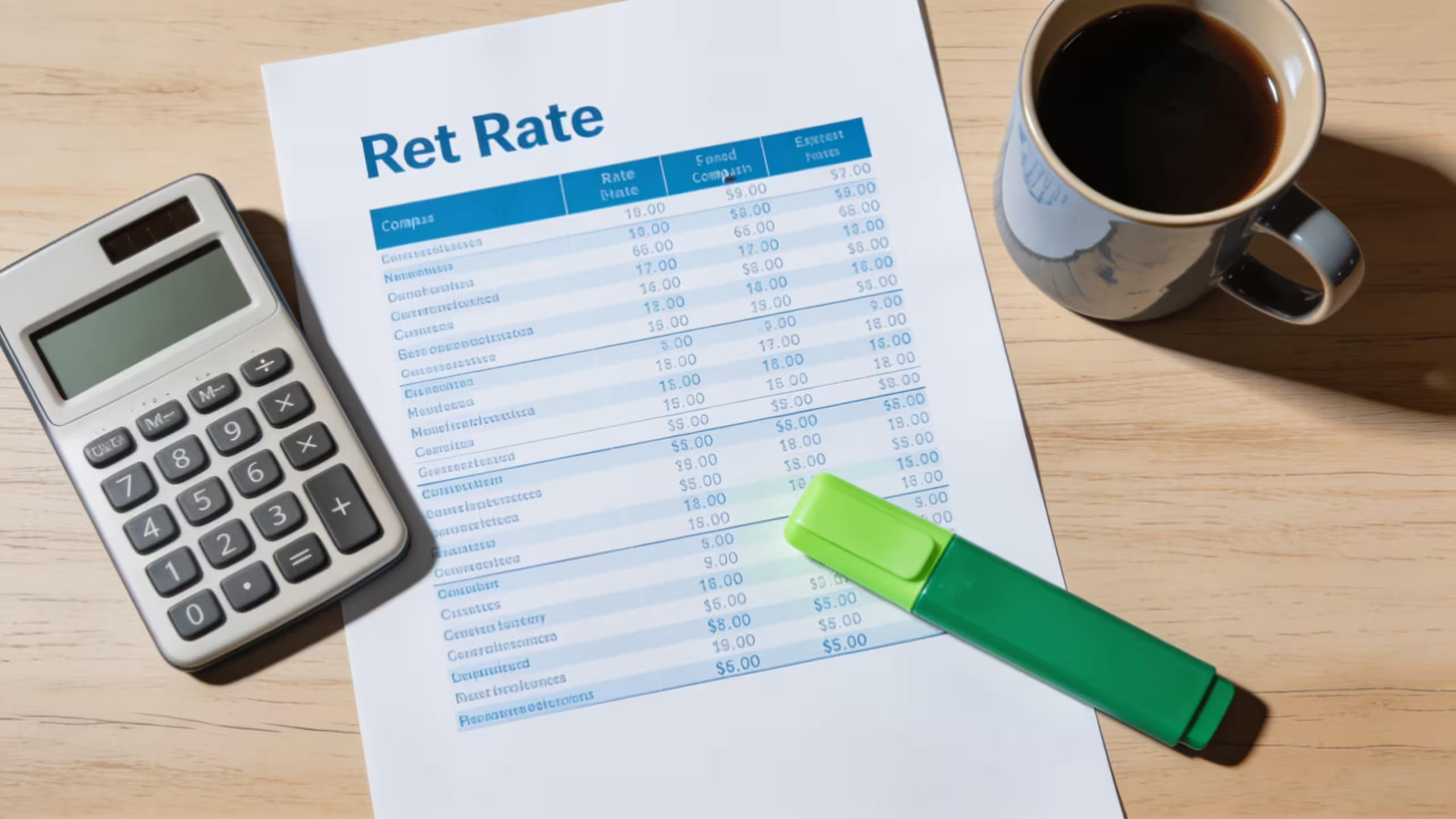
| Lender Type | Rate Tendency | Best For | Key Consideration |
|---|---|---|---|
| Credit Unions | Often among the lowest available | Borrowers who qualify for membership | Not-for-profit structure passes savings to members; membership required |
| Traditional Banks | Competitive for existing customers | Current account holders | Relationship discounts and autopay reductions can meaningfully lower your rate |
| Online Lenders | Wide range, highly profile-dependent | Borrowers who want fast rate comparison | Faster application process, but rates vary widely; always prequalify first |
Credit unions deserve particular attention. Because they operate as not-for-profit cooperatives owned by their members, they often charge lower rates and fewer fees than profit-driven lenders. You can find a federally insured credit union near you through MyCreditUnion.gov, the consumer resource site maintained by the National Credit Union Administration.
What most people miss when comparing loan offers is that a lender with a slightly higher starting rate but zero origination fee can cost less overall than one advertising a lower rate while charging 3% to 5% upfront. Always compare the full APR and total repayment amount, not the interest rate headline alone. Our guide on how loan origination fees work walks through how to factor these costs into your comparison.
What Factors Determine Your Personal Loan Rate?
Lenders weigh several variables when setting the rate for a specific borrower. Knowing which factors matter most gives you concrete targets to work on before you apply.
- Credit history: Your record of on-time payments and the length of your credit history are the strongest signals lenders use. A pattern of timely payments over several years drives rates lower.
- Credit utilization: Carrying high balances relative to your credit limits signals risk. Lenders set their own minimum score requirements, which they rarely publish, but lower utilization consistently earns better offers across lenders.
- Debt-to-income ratio (DTI): This measures what percentage of your gross monthly income already goes toward debt payments. A lower DTI tells lenders you have room in your budget to handle a new obligation.
- Loan term: Shorter repayment periods often come with lower interest rates because they reduce the lender’s exposure. The tradeoff is a higher monthly payment.
- Employment and income stability: Traditional salaried employment with verifiable income is generally viewed more favorably than variable or recently established self-employment income.
- Existing relationship with the lender: Some banks and credit unions offer rate discounts to customers who hold checking or savings accounts with them and set up automatic payments.
For a deeper breakdown of how each of these factors is weighted, see our full guide on what determines your personal loan rate.
Apply Now or Build First? A Decision Framework
Most comparison articles tell you which lenders have low rates. They skip the more useful question: are you actually in a position to receive one of those rates today, or would waiting and preparing first cost you less over time?
Apply now if all of the following are true for you:
- No missed or late payments in the past 12 months
- Credit card balances are below 30% of your combined credit limits
- Monthly debt payments take up less than one-third of your gross income
- You have stable, verifiable income from consistent employment
- You have prequalified with at least two lenders and the rate offers meet your goal
Build first if any of the following apply:
- A missed or late payment appears on your credit report from the past year
- Your credit card balances are high relative to your limits
- You have recently opened several new credit accounts
- Your income is variable, seasonal, or difficult to document
From a practical standpoint, spending three to six months paying down revolving balances and avoiding new late payments can shift your credit profile enough to earn a noticeably better rate. The interest savings over a multi-year loan often outweigh the cost of waiting a short time.
How to Compare Offers Without Hurting Your Credit Score
Use Soft-Pull Prequalification Before You Commit
A full loan application triggers a hard inquiry on your credit report, which causes a small, temporary drop in your score. Prequalification, which most lenders now offer online, uses a soft pull and does not affect your score. This allows you to collect real rate offers from multiple lenders and compare them side by side before you decide which one to move forward with.
When comparing offers, look at three numbers together: the APR, the total amount you will repay over the life of the loan, and whether the lender charges any origination or prepayment fees. A loan with a lower APR but a longer term can still cost more overall than a slightly higher-rate loan with a shorter repayment period.
For a complete overview of personal loan types, terms, and how to match the right loan to your situation, visit the personal loans resource hub.
FAQ: Personal Loans with Low Interest Rates
Tap any question to expand the answer.
What is considered a low interest rate on a personal loan right now?
The Federal Reserve’s G.19 consumer credit release recorded an average 24-month personal loan rate of 12.32% in the fourth quarter of 2024. Rates meaningfully below that benchmark can be considered favorable by current standards. Borrowers with strong credit histories and low debt-to-income ratios are best positioned to receive offers at the lower end of the market. The only way to know your actual rate is to prequalify with multiple lenders using a soft credit pull, which does not affect your score.
How can I qualify for a personal loan with a low interest rate?
The most effective steps are: keeping your credit card balances low relative to your limits, making all payments on time for at least 12 consecutive months, reducing other debt to lower your debt-to-income ratio, and choosing a shorter loan term if your budget allows the higher monthly payment. Some lenders also offer a rate reduction when you set up automatic payments from a checking account. Taking these steps before applying puts you in the strongest possible position when lenders evaluate your application.
Do credit unions offer lower personal loan rates than banks?
Credit unions frequently offer lower rates than commercial banks because they operate as not-for-profit cooperatives. Rather than returning profits to shareholders, credit unions reinvest earnings into lower rates and fewer fees for their members. Membership is required to borrow, but many credit unions have broadened their eligibility rules and are open to most US residents. You can search for federally insured credit unions through MyCreditUnion.gov, the National Credit Union Administration’s consumer resource site.
Will checking my rate hurt my credit score?
Prequalification uses a soft credit inquiry and does not affect your credit score. You can prequalify with several lenders, compare the rate offers you receive, and then decide which one to move forward with. Only when you submit a full application does a hard inquiry appear on your report, which may cause a small temporary dip. According to the Consumer Financial Protection Bureau, checking rates before applying is one of the most effective ways to find the best terms without unnecessary credit impact.
Is the APR the same as the interest rate on a personal loan?
No, and the difference matters. The interest rate is the annual cost of borrowing the principal. The APR adds origination fees, application fees, and any other charges rolled into the loan, expressing the total cost as a single annual percentage. Two loans with the same interest rate can have very different APRs if one charges an upfront origination fee and the other does not. Always compare APRs rather than interest rates alone when shopping for personal loans with low interest rates, since the APR gives you the true cost comparison.