By Laurel C. Yazzie | Last reviewed: April 2026
Does Renters Insurance Cover Mold Damage? A Clear Answer for Renters
Finding mold in your rental is stressful, and the first question most tenants ask is whether their renters insurance will pick up the bill. In reviewing hundreds of policies over a decade in the industry, the detail most renters miss is that renters insurance does not cover mold on its own. It only steps in when mold results from a loss that is already covered by your policy. Whether you are new to what renters insurance covers or you have carried a policy for years, the mold coverage question comes down to one thing: the cause.
Does Renters Insurance Cover Mold Damage: Renters insurance may cover mold damage, but only when the mold was caused by a covered peril, such as a burst pipe or firefighting water. Damage from neglect, slow leaks, or flooding is almost always excluded. Personal property, temporary housing costs, and limited cleanup may be reimbursable when coverage applies.
Does Renters Insurance Cover Mold Damage?
The short answer is: sometimes. Standard renters policies use what insurers call a named-peril structure, meaning coverage applies only to losses caused by specific events listed in the policy. If mold grows because of one of those named events, your claim has a solid foundation. If it does not, your insurer will almost certainly deny it.
According to the Insurance Information Institute, the standard HO-4 tenant policy provides broad named-peril coverage for personal property. Mold itself is rarely listed as a named peril, so its coverage is always tied to the underlying cause of the moisture.
Perils that can trigger mold coverage on a standard renters policy include:
- Burst or frozen pipe: A sudden pipe failure floods part of your unit, and mold grows from the standing water left behind.
- Firefighting water: Firefighters extinguish a blaze in your building, and the water used causes mold to develop in your belongings.
- Windstorm or hail damage: A storm breaks a window or damages a roof, rain enters your unit, and mold follows from the moisture.
- Overflow from a neighbor’s unit: A pipe bursts in the apartment above yours and water soaks through your ceiling, causing mold on your furniture. For a full breakdown of this scenario, see our guide on renters insurance and water damage from an upstairs neighbor.
In all of these cases, coverage applies to your personal property — meaning furniture, clothing, and electronics. Mold on the walls, ceilings, or floors of the unit itself is the building owner’s responsibility, not yours.
What If the Mold Was Already There When You Moved In?
This edge case trips up many renters. If mold was present in the apartment before you moved in, your renters insurance will not cover it. Renters insurance only covers your personal property from the date your policy went into effect. Pre-existing mold is a habitability problem and a landlord responsibility under most state laws.
There is a practical step you can take on move-in day to protect yourself. Walk the unit carefully and photograph any signs of moisture, discoloration, or musty smells. Send those photos to your landlord in writing, with the date and time visible. This creates a timestamped record that the condition existed before you took possession. Without that documentation, proving that mold pre-dated your tenancy becomes very difficult if a dispute arises.
If the landlord refuses to address confirmed pre-existing mold, your state’s tenant protection laws may give you options, including rent withholding or repair-and-deduct remedies. Those remedies vary significantly by state, so consider consulting a local tenant advocacy organization for guidance specific to where you live.
When Renters Insurance Will NOT Cover Mold Damage
Most mold claims are denied, and the reason is almost always one of the following exclusions. In practice, many renters are surprised to learn that even a genuine mold problem can fall entirely outside their policy. For a full picture of policy gaps, see our guide on what renters insurance does not cover.
- Slow or long-term leaks you did not report: A dripping pipe under the sink that you noticed but did not tell your landlord about.
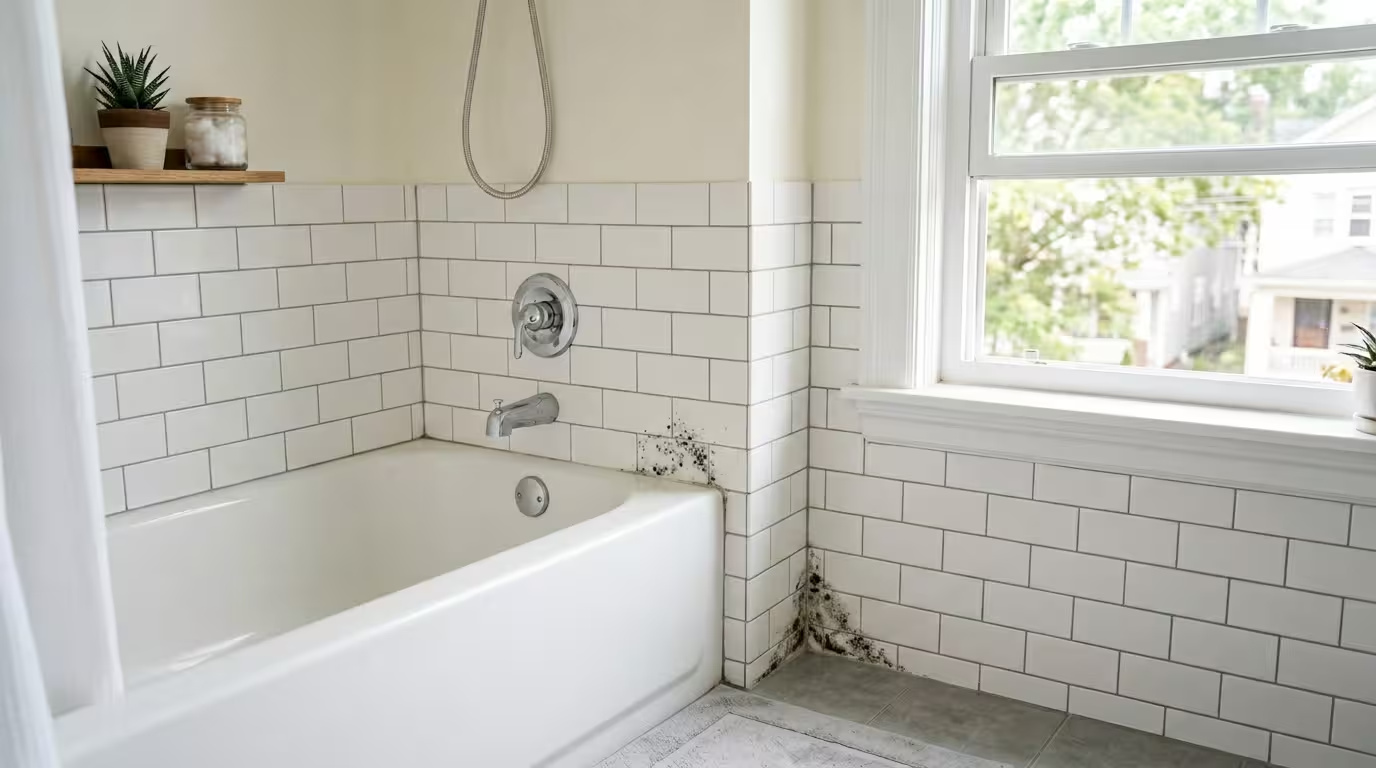
- High humidity or poor ventilation: Mold that grows because the bathroom lacks a working exhaust fan or you run a humidifier without adequate airflow.
- External flooding: Floodwater from heavy rain, storm surge, or overflowing rivers is excluded from standard renters policies. Separate flood insurance is required.
- Sewer or drain backup: Wastewater entering from a backed-up drain is typically excluded unless you have added a specific endorsement.
- Neglect: Any mold that grew because you or your landlord failed to act on a known moisture problem within a reasonable time.
- Pre-existing mold: Mold that was present before your policy started is not a covered loss under any standard renters policy.
Landlord vs. Renter: Who Pays for Mold Damage?
One of the most common points of confusion is who actually holds the bill. The answer depends on the source of the mold and whether it stems from the building’s structure or from something within your control. Use the framework below to identify your situation quickly.
Decision Framework: Who Pays?
If the mold was caused by a sudden covered peril (burst pipe, firefighting water, windstorm damage) then file a claim with your renters insurance. Personal property losses and temporary housing may be covered.
If the mold came from a structural problem the landlord failed to fix (roof leak, faulty plumbing, building envelope failure) then contact your landlord in writing. They are legally responsible for the building’s habitability.
If the mold came from external flooding (river overflow, storm surge, heavy rain) then your renters insurance will not help. A separate flood insurance policy is required.
If none of the above apply and the mold grew from your own neglect or poor ventilation then you are likely responsible out of pocket unless you have added a mold endorsement to your policy.
According to the National Association of Insurance Commissioners, tenant HO-4 policies do not provide coverage for the physical building. That means mold damage to walls, ceilings, floors, and structural components is always the building owner’s responsibility, regardless of what caused the moisture.
What Your Renters Policy Can Actually Pay For
When a covered peril does cause mold damage, a standard renters policy can help with several types of losses. Each coverage type works independently and carries its own limits, so it is worth understanding how they interact.
- Personal property coverage: Pays to repair or replace your belongings — furniture, clothing, electronics — damaged by mold, up to your policy’s personal property limit. Your specific limit appears on your declarations page.
- Loss of use (additional living expenses): If mold forces you out of your apartment, this coverage pays for hotel stays, restaurant meals, and other extra costs above your normal daily spending, up to your policy’s dollar limit and time cap.
- Photograph everything immediately. Take timestamped photos of the mold, the affected belongings, and any visible moisture source such as a burst pipe, water stain, or damaged window.
- Notify your landlord in writing. Send an email or text so you have a dated record. Your insurer will ask whether the building owner was informed and when.
- Contact your insurer promptly. Most policies require you to report a loss within a reasonable time. Delays can jeopardize your claim, even if the underlying event qualifies as a covered peril.
- Save all receipts. Keep receipts for hotel stays, laundry, food, and any temporary cleanup supplies. These may be reimbursable under loss-of-use coverage.
- Get your claim number and adjuster contact in writing. This lets you follow up proactively instead of waiting for callbacks that may not come on your timeline.
- Report any water leaks, dripping pipes, or roof stains to your landlord in writing as soon as you notice them. A dated email creates the paper trail that protects you.
- Use bathroom and kitchen exhaust fans during and after cooking or showering.
- Keep indoor humidity below 50 percent. A basic hygrometer from any hardware store can help you monitor levels.
- Document the condition of your unit on move-in day with dated photographs and a signed move-in checklist.
- Do not leave wet clothing, towels, or other damp items sitting in piles for long periods.
- For small mold patches under 10 square feet on hard surfaces, the EPA’s mold cleanup guidance indicates that most renters can clean these themselves safely with soap and water, provided there are no respiratory concerns. Larger areas or any mold behind walls require a licensed professional.
Standard policies do not cover mold remediation costs directly. Some insurers offer this as an optional endorsement — see the section below on mold endorsements for details.
Your renters policy will not pay for a mold inspection or mold testing. Those costs typically fall on the landlord or are paid out of pocket, since they relate to the condition of the building itself.
A Note on Mold Endorsements
If your current policy provides no mold coverage, ask your insurer about a limited mold or fungi removal endorsement. This is an add-on that can extend your coverage to include mold remediation costs up to a stated sub-limit, even in scenarios where the standard policy would exclude the claim. Not every insurer offers this endorsement, and availability varies by state. If yours does not, comparing policies from insurers that include it may be worthwhile, particularly if you live in a warm or humid climate.
How to File a Renters Insurance Claim for Mold Damage
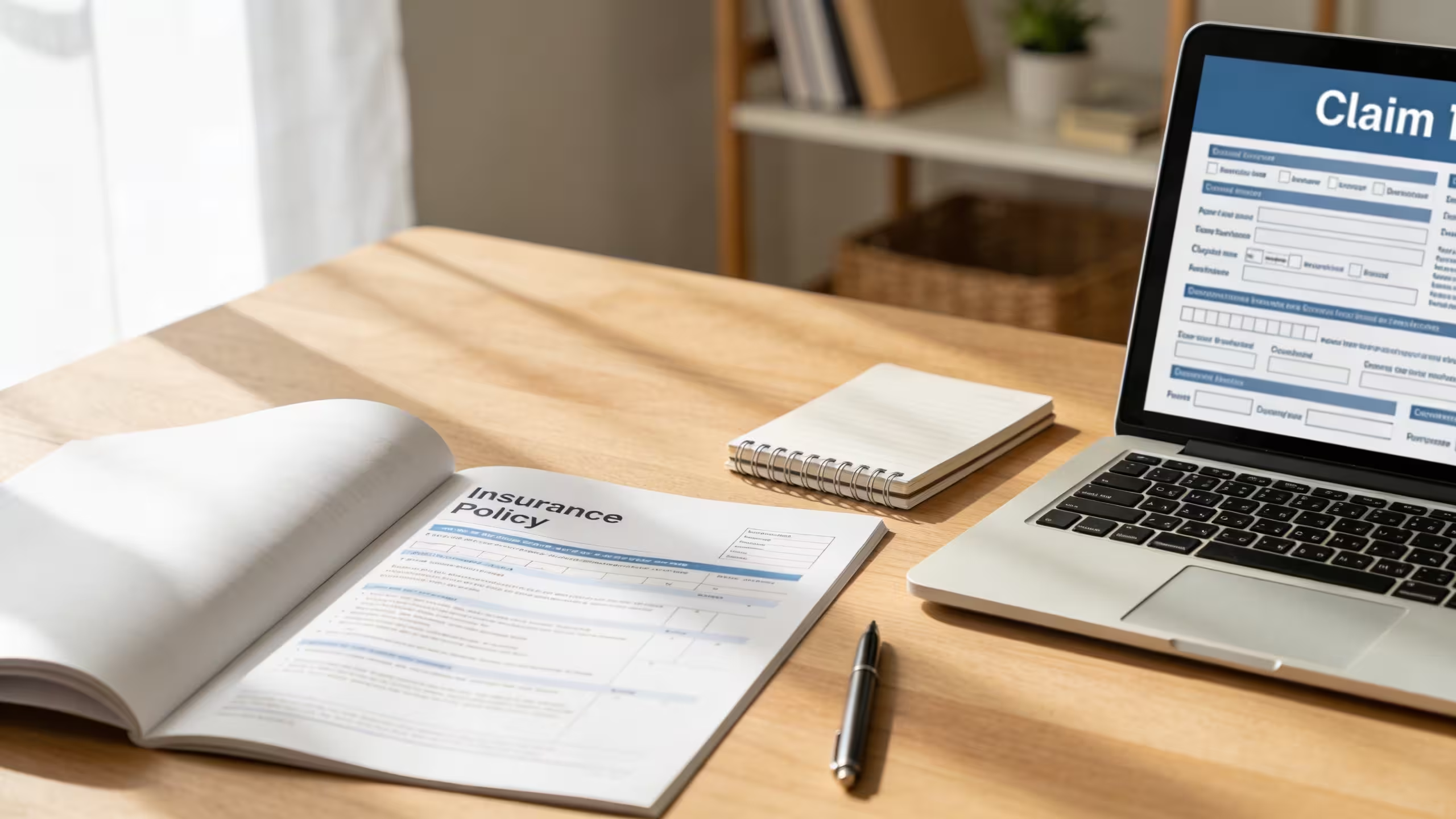
When reviewing policies and the claims that follow, the step most renters skip is building a clear paper trail before they call their insurer. Acting quickly and documenting everything thoroughly gives your claim the strongest possible foundation.
The adjuster assigned to your claim will ask one key question: what event caused the moisture that caused the mold? Be prepared to answer that question clearly, with dated documentation that connects the covered event to the mold growth. That connection is what gets the claim paid.
How to Reduce Your Mold Risk as a Renter
Prevention is far less expensive than remediation. The U.S. Environmental Protection Agency notes that mold can begin growing within 24 to 48 hours of water exposure, which means acting quickly after any moisture event matters far more than most renters realize. These steps can reduce your risk and protect your claim eligibility if mold does appear.
FAQ: Does Renters Insurance Cover Mold Damage?
Does renters insurance cover mold if a pipe bursts in my apartment?
Yes, in most cases. A burst pipe is a standard covered peril on HO-4 renters policies. If the water from the pipe causes mold to grow on your furniture, clothing, or other personal property, your personal property coverage can pay to repair or replace those items up to your policy limit. The mold remediation of the building itself — walls, floors, and ceiling — remains the landlord’s responsibility, not yours.
Will renters insurance pay for a mold inspection or mold testing?
No. Standard renters insurance policies do not cover the cost of a mold inspection or mold testing. These costs are typically the responsibility of the landlord or property owner, since they relate to the condition of the building itself rather than your personal belongings. If you pay for an inspection out of pocket, keep the receipt, as it may support your claim or a future landlord dispute.
What if the mold damage was caused by my neighbor’s actions, not mine?
If your neighbor’s actions caused a sudden covered event — such as an overflowing bathtub or a burst pipe in their unit that flooded into yours — your renters insurance may cover your personal property losses. You would file a claim with your own insurer first. Your insurer may then pursue the neighbor’s liability coverage to recover what it paid out, a process called subrogation. Document the source of the water and get a statement from the landlord or building management if possible.
Can I add mold coverage to my renters insurance policy?
Some insurers offer a limited mold or fungi removal endorsement that can be added to a standard renters policy for an additional premium. This endorsement extends coverage to mold remediation costs up to a stated sub-limit, even in cases where the standard policy would otherwise deny the claim. Availability varies by insurer and state. Ask your insurer directly whether this endorsement is available on your current policy, and compare the added premium against your risk level, especially if you live in a warm, humid climate.
Does renters insurance cover temporary housing if mold forces me out?
Yes, if the mold was caused by a covered peril. Most renters policies include loss-of-use coverage, also called additional living expenses coverage. This pays for the extra costs you incur while you cannot live in your unit — hotel stays, higher food costs, laundry — above your normal day-to-day spending. Coverage is subject to your policy’s dollar limit and time cap, both of which are listed on your declarations page. If the mold was not caused by a covered peril, loss-of-use coverage will not apply.
Back to the complete renters insurance guide library.